
Burning Heart presents a Lauralee Farrer production

headerbar_9cast
headerbar_GF1
headerbar_Sext1
headerbar_Compline2
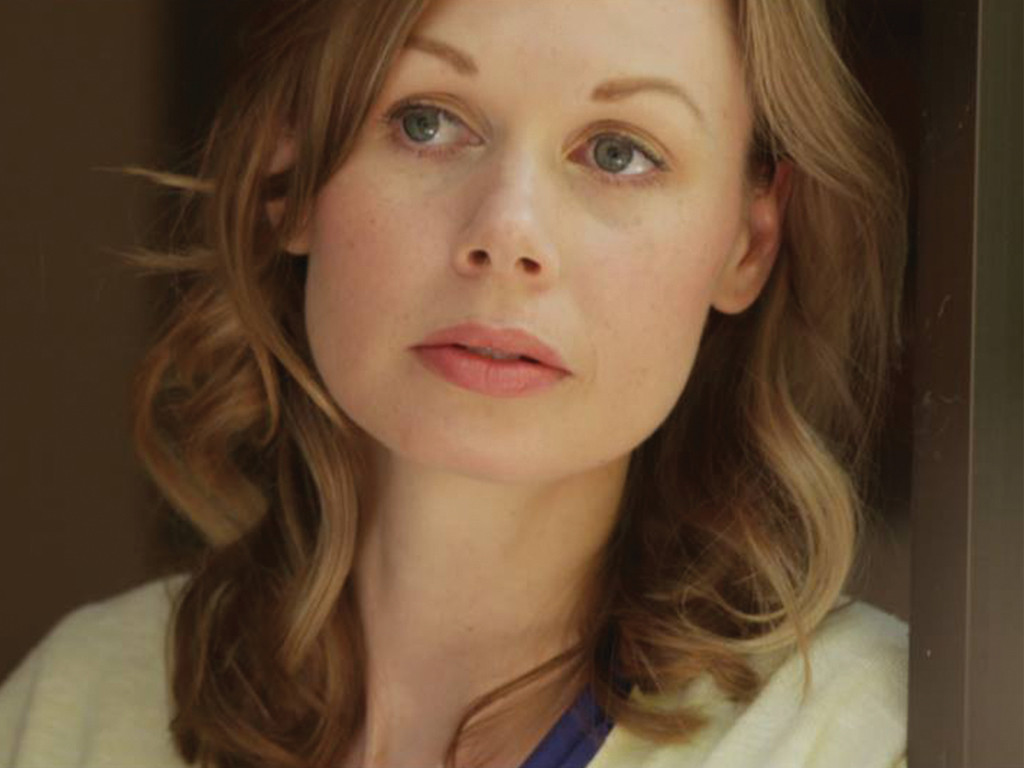
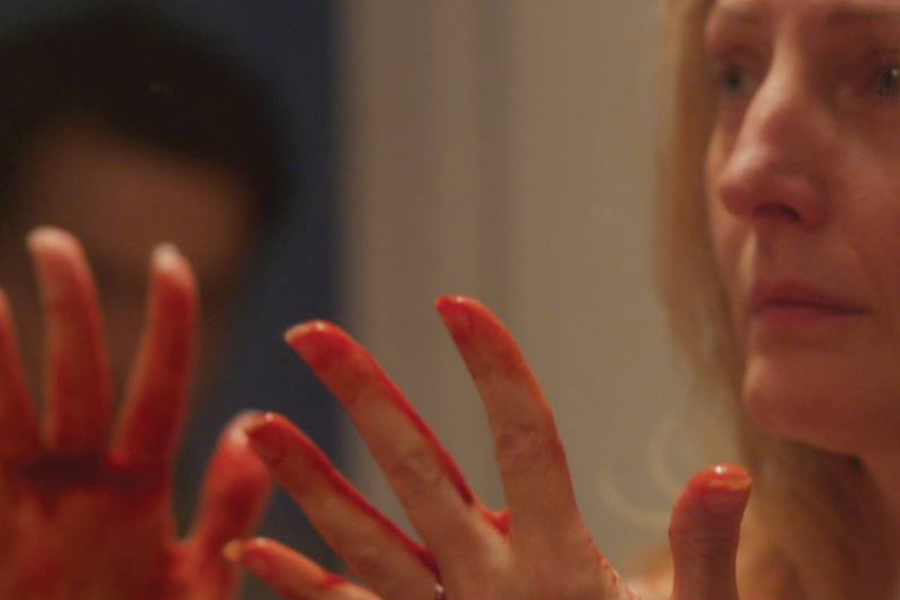
Timothy V. Murphy
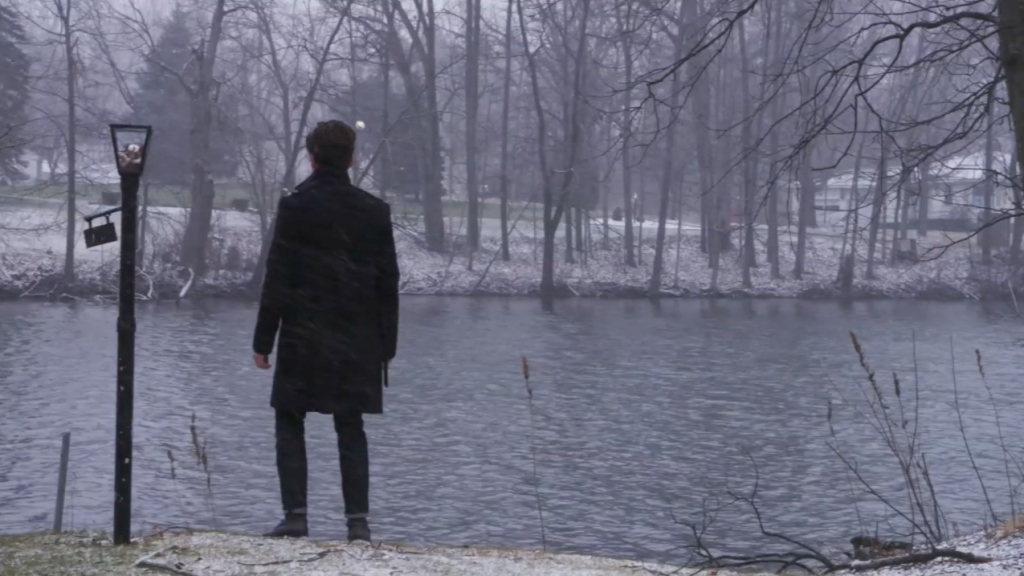
Karla Droege
Aaron Paul Ballard
Elizabeth Montgomery
Tony Hale
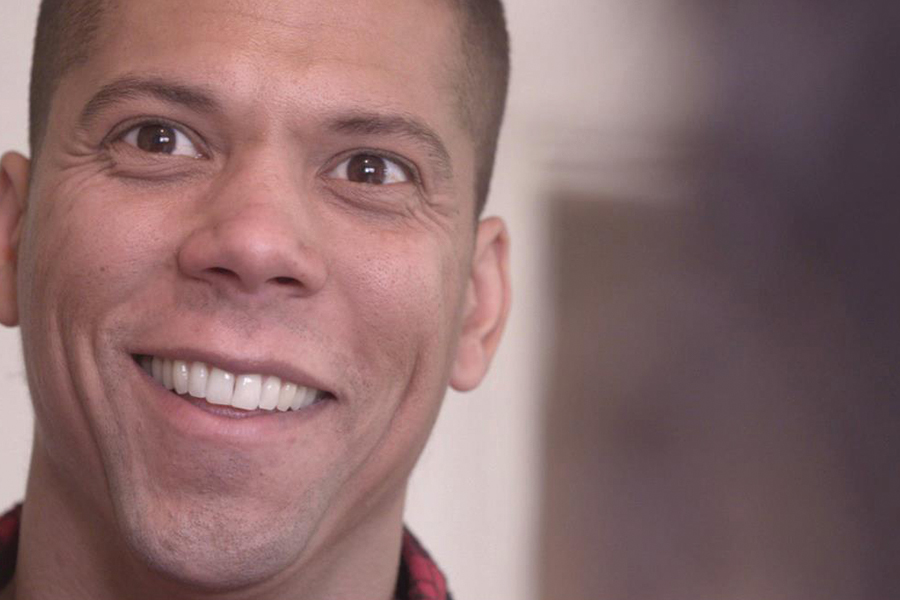
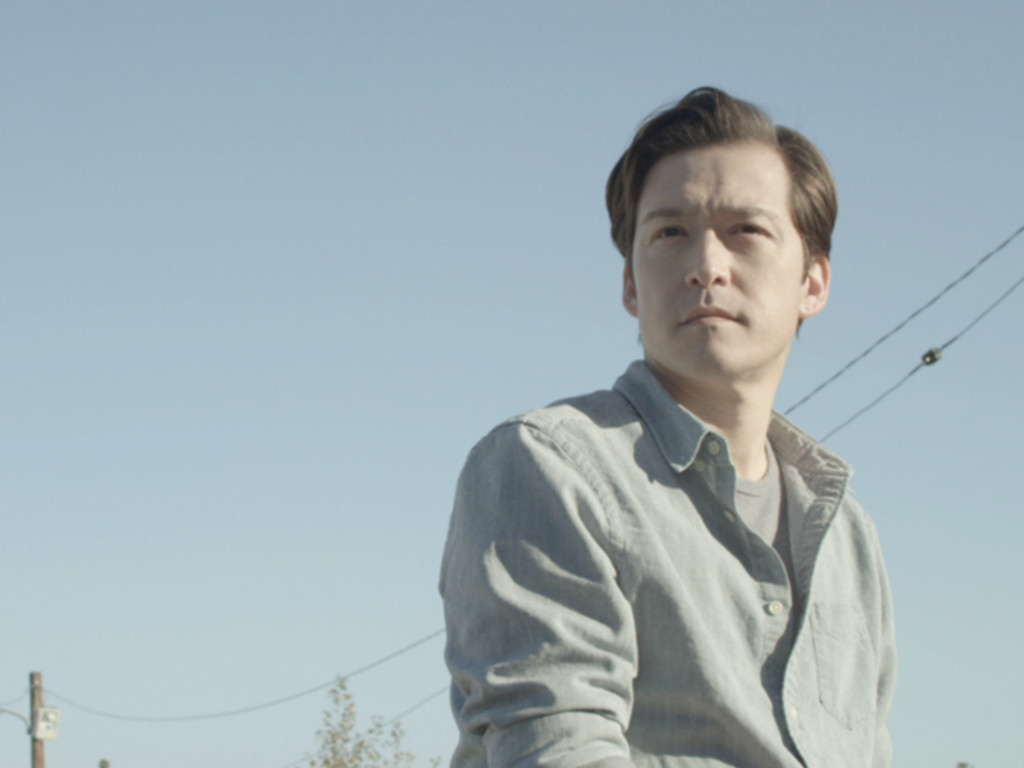
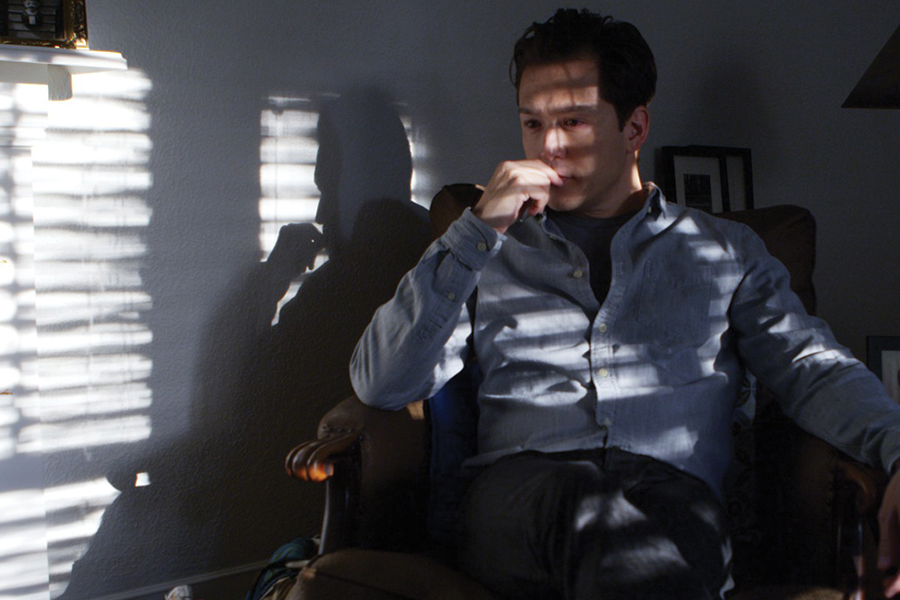
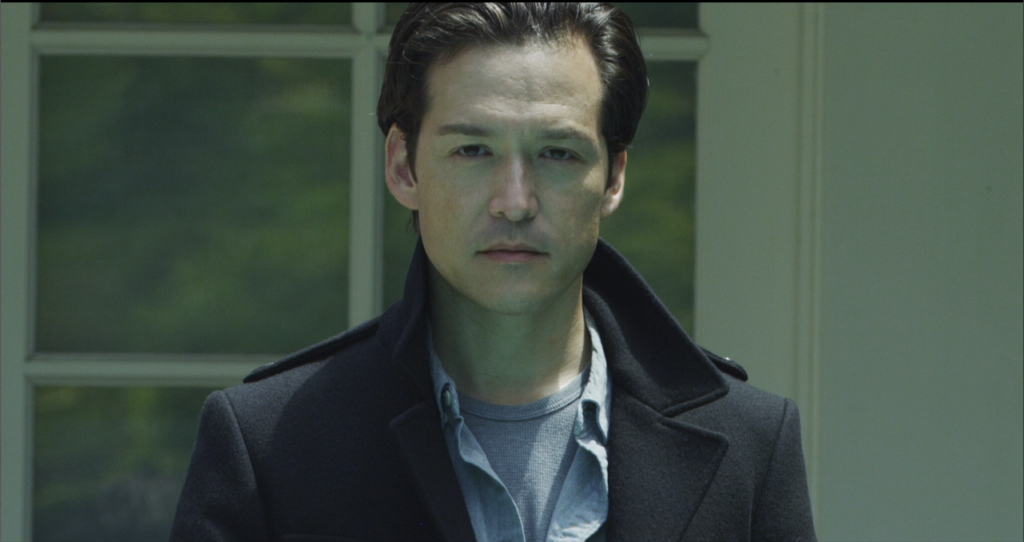
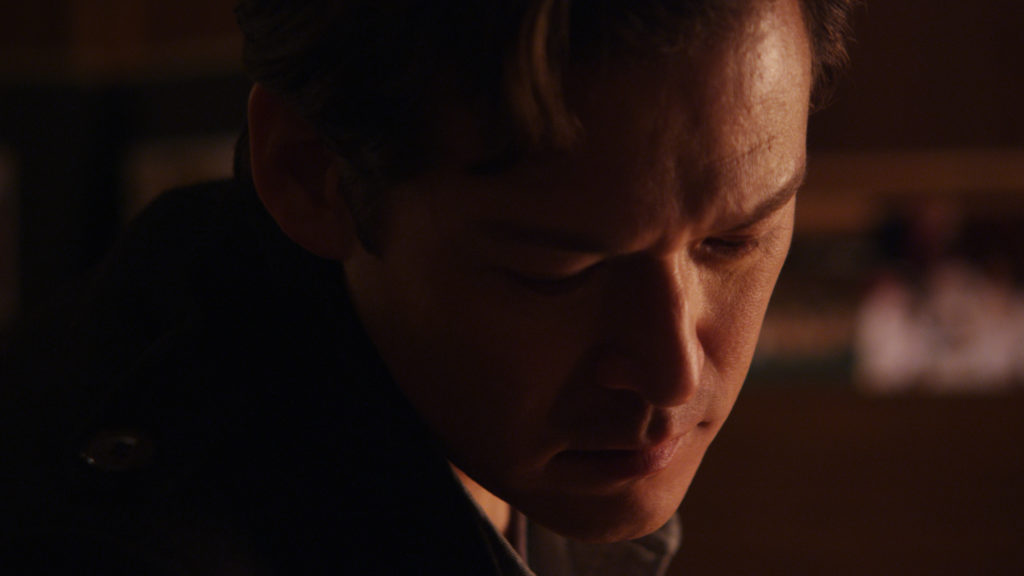
Chris Min as the Traveling Man

Latest

Wearing Many Hats

by producer Rob Bethke

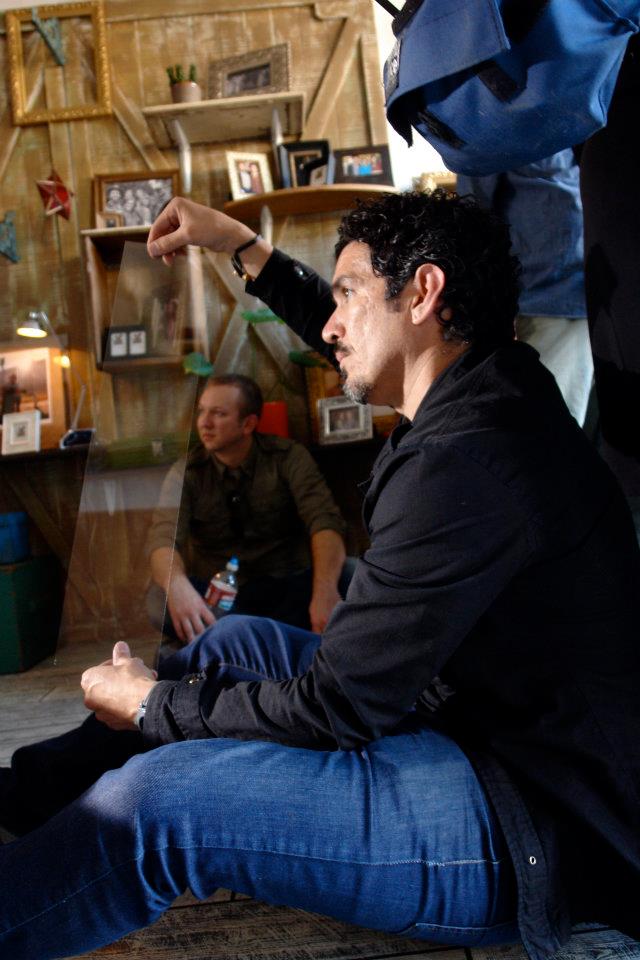
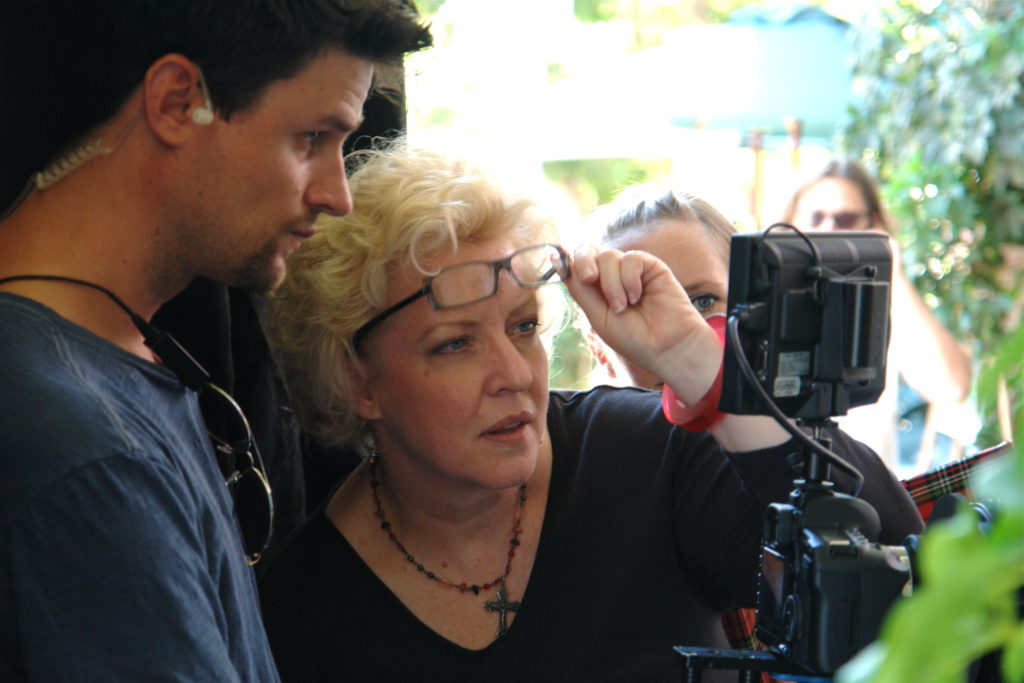
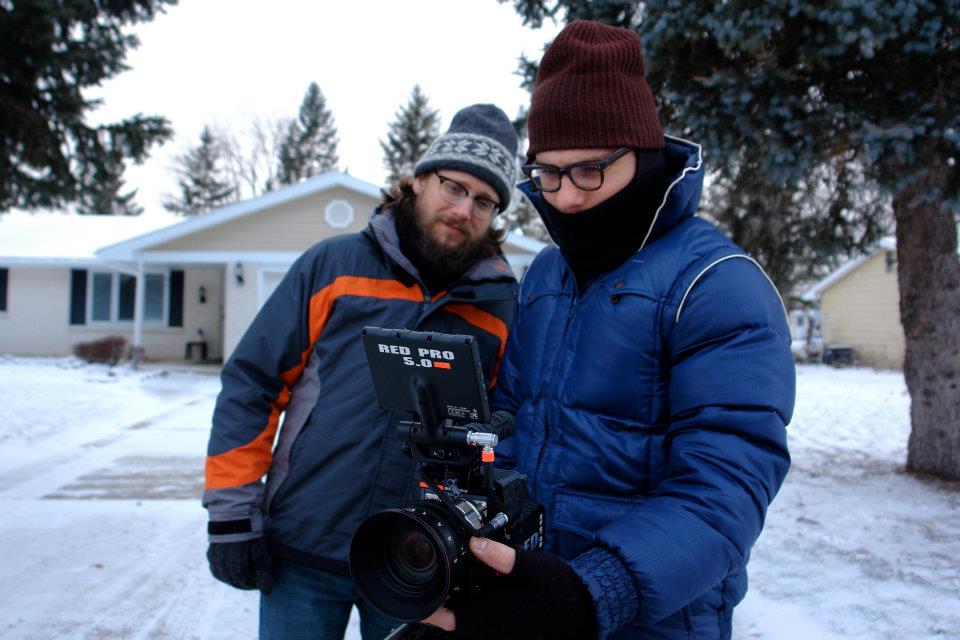
Director and DP discussing a shot

Part of the adventure of producing low-budget films is the necessity to step into many different roles – in other words, filling in the gaps in your production crew.  I used to fall into the trap of imagining filmmaking as a bit of a power trip, where directors and producers impart their brilliant visions upon the crew and then sit back (sipping a latté) and watch the little workers carry out their creative wills.  Of course, I would have never admitted that I expected such a thing, but it’s probably there in the back of the minds of many a wannabe filmmaker.  The reality is quite different, particularly when you are forging your own vision into existence without relying on an angel investor to pay all the necessary humans for their expertise and long hours of work.

Local news in Indiana talking to our director

This is a low-budget film production.  There is no studio executive hovering over us, tweaking the script, micro-managing budgets, and constantly thinking about how this film will make millions of dollars by appealing to males 16-23 years-old.  We are beholden to nothing except the vision of the writers and director.  Now, there are plenty of limitations, but there is also a significant lack of stress that makes it much more enjoyable.  This doesn’t mean that we don’t work hard, however, which is suppose to be the theme of this post…  We work very hard… to be team players, to care for one another, and to get the film made with professional quality.

Let all aspiring filmmakers have ears to hear what I have to say!  Your work ethic and positive attitude are worth much more than any specialized skills you may bring to a film project.  If you want to find your way into “Hollywood” (a goal which I wouldn’t necessarily recommend), or if you want to figure out how to be a part of making films, then work hard and be happy.  A willingness to step into the jobs that no one else has time to do – but desperately need to be done – will win you deep appreciation from the producers/directors, who will most likely want you to be around on their next project in a larger capacity.  Likewise, a person who is polite and pleasant to work with gives energy instead of taking it away from those around them.  We all would rather have “energy-givers” around us!

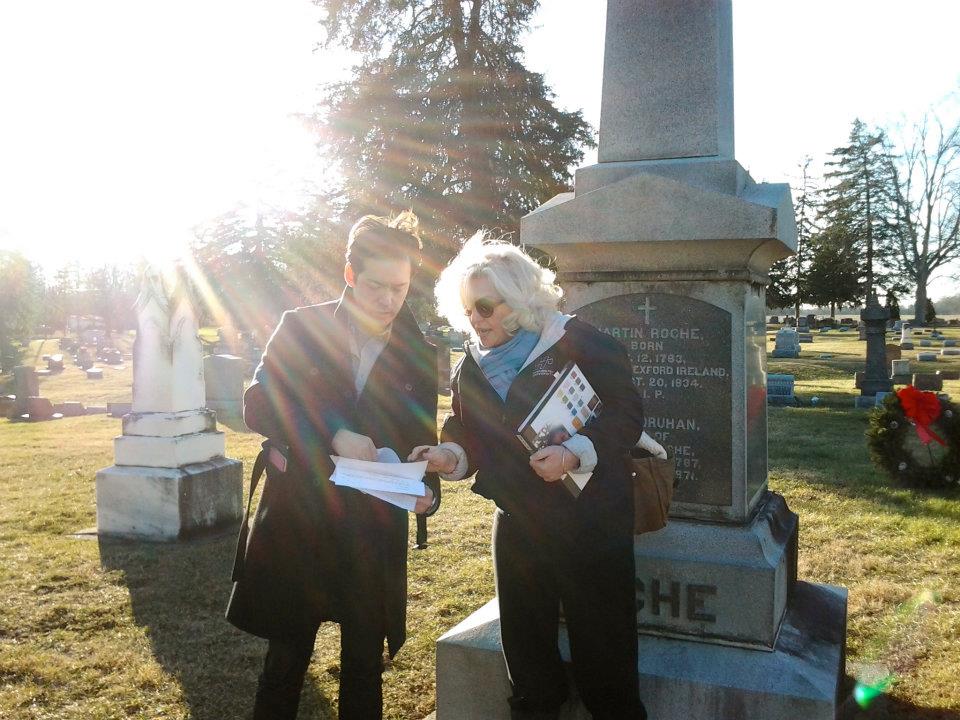
Beautiful but cheap lighting in the cemetery

I came to Indiana for our first shoot in January of 2012 not exactly sure what I would do with my time there.  My responsibilities have mostly kept me busy with social media and web presence for Praying The Hours.  But as I observed and listened to the others on the crew, explaining the challenges and needs of the production, I realized that there were gaps that needed to be filled and that I needed to step into them.  One of our key producers became sick, so I volunteered to cover some of his responsibilities on set.  By continuing to observe the frustrations or stress of others around me, I often saw that I had the time or energy to take tasks from them so that they could breathe easier.  This kind of attitude is invaluable on any production.  Those with such willingness to DO WHAT NEEDS TO BE DONE – without whining about whether it was my “job” or not – are the ones that I want working with me on film sets and the person that I try to make sure I am being when contributing to film projects.  That’s how you become a filmmaker.

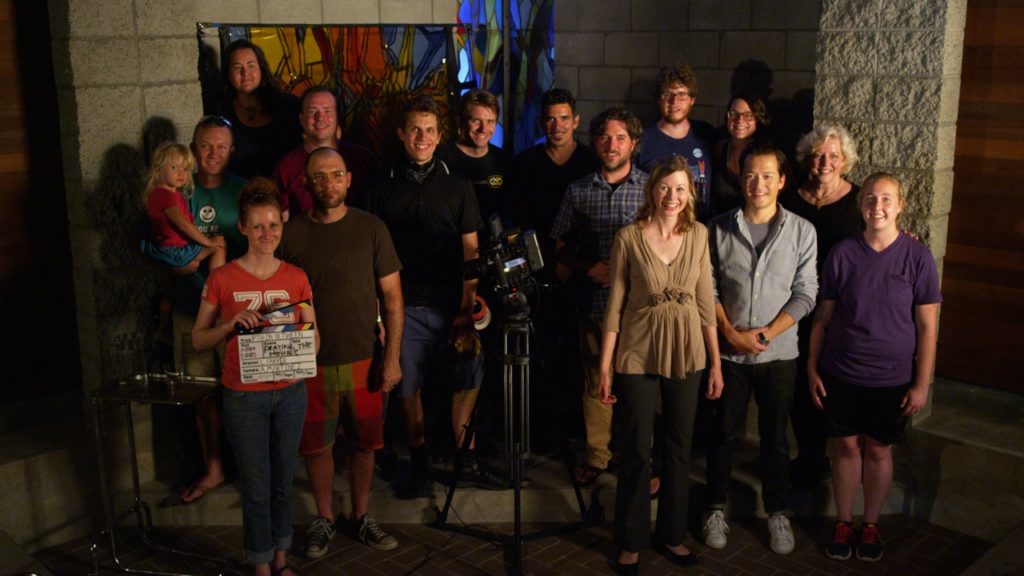
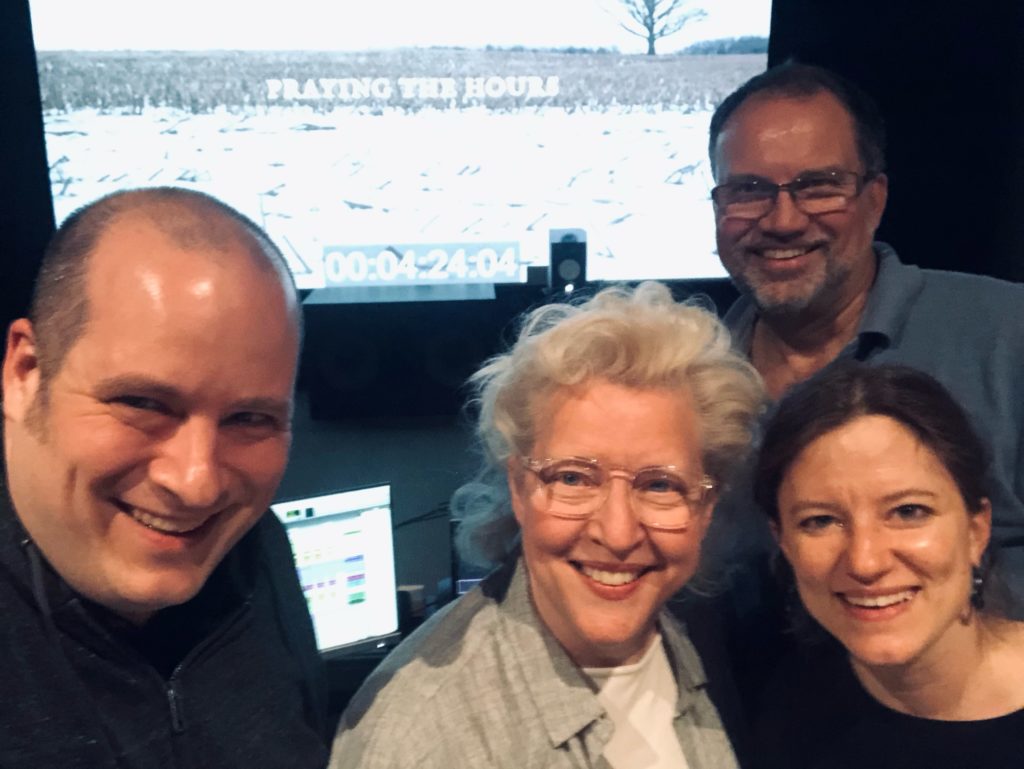
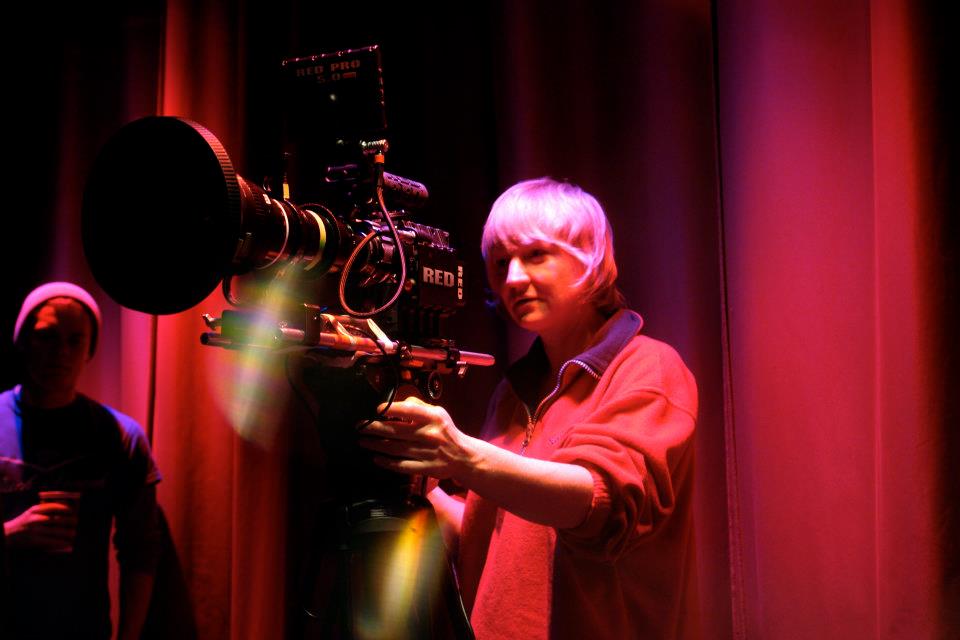
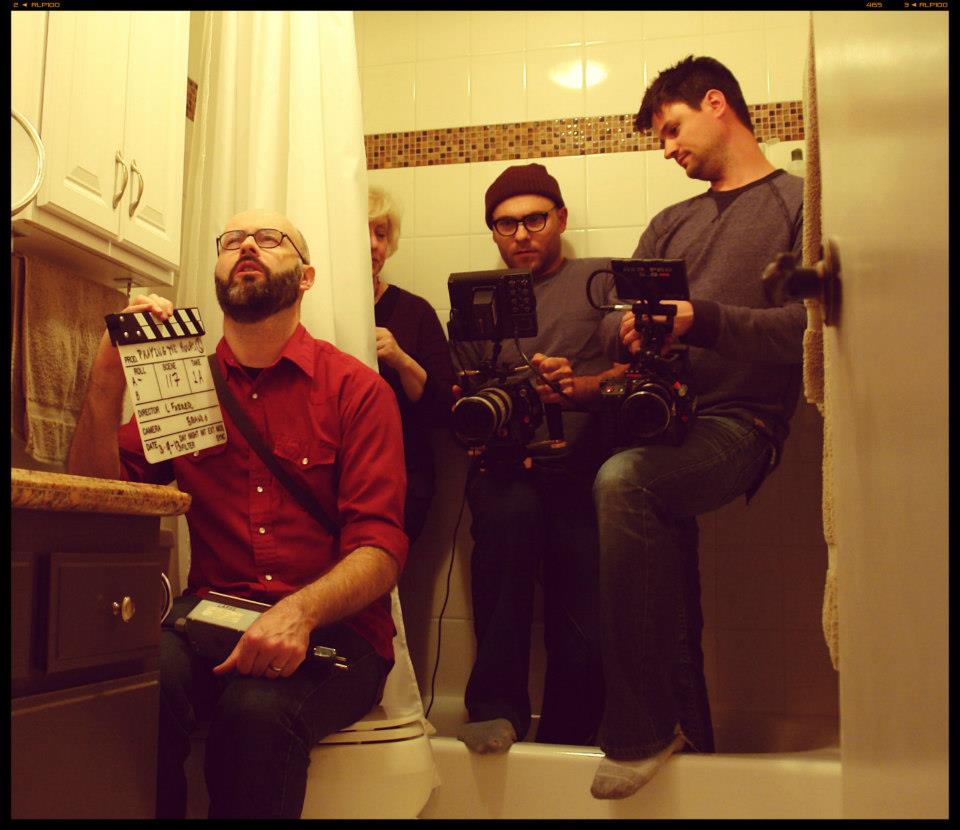
(FYI, all the pictures here are random and have nothing directly to do with this post.  Just some that I grabbed on my phone during occasional breaks in production while in Indiana)

Just Tell the Truth

It’s risky to use non-actors to do your storytelling—you have to know that something else about them is compelling: that the camera will find them interesting, that they are going to give something authentic that will be moving, they are going to be brave enough to bring something fresh that no one else could bring.

The process of capturing those authentic moments relies some on shooting style, but mostly that the actor will allow the director to guide them someplace they might not expect, but where they’ve already agreed to go.

There is an important moment in the story of Compline when she opens a photo album to see photographs of herself with someone recently dead. Such a strange experience—to hold in your hands evidence of their existence, and at the same time know that from the taking of those photos to the looking at them, everything has changed. You hold proof in your hands that they existed, and yet they are no more.

That scene was the first one in which we asked Marcia to speak in Compline’s voice, and I knew she was willing, but also circumspect:

Up to that point, I had not been required to speak on camera, so I didn’t feel pressure to “act.” I was nervous, however, because somehow I felt like the real challenge was about to begin.  In previous days, when I felt I’d blown it on camera, I would stop and apologize or somehow acknowledge my error. Lauralee came to me before this scene and very quietly said that no matter what, don’t break character or acknowledge the camera or production team in any way. She told me to just go with whatever happened. I sensed there was something behind her admonition, but accepted it at face value. In this scene, I was to open a photo album that arrived in the mail and see photographs of Compline with loved ones. We shot photos of me with fellow actors Chris Min, Liz Montgomery, and Aaron Ballard to be used in that album—so those were the photos I was expecting to see. However, on the first page was not Chris Min but Matthew Diederich—our beloved friend on whose death the Traveling Man is based. Though I was stunned, I remembered that Lauralee warned me to keep going no matter what. I stared at his sweet face, and the tears that came were not “acting.” One of the things Chris Min told me about acting is to always tell the truth. In that scene, I did.

Narrowly Avoiding Death by Concrete Floor

When I asked Marcia Whitehead if she’d consider portraying the character of Compline shot recently in Indiana, I knew that water would be involved since our story team had already decided we wanted to use water in all its forms (immersion, drinking, ice, rain, snow, etc.) as a metaphor for dreaming, so water will play a big part in the hours of compline, vigils and lauds.

I was pleased to find out that Marcia loves the water and the opportunity to swim in it. That’s good, because we did more than four underwater test shoots in the Webbs’ terrific indoor swimming pool. What I was not as pleased to discover (after the fact) was Marcia’s fear of ladders. She writes:

I knew when Lauralee invited me to portray the character of Compline that I would be faced with many challenges because I’m not a film actress. But I was certainly not prepared for all that I would be asked to tackle. There is a dream sequence in Compline that required me to climb down an iron-runged ladder, built into a concrete wall, while dressed in a floor-length nightgown and robe, wrapped in a bed sheet, and wearing 3-1/2 inch stiletto heels. I am not afraid of heights or airplanes, and tall buildings and rooftops are enjoyable places for me. Ladders—not so much. Physical strength and coordination are not my greatest assets, so it took a lot of courage to climb that ladder without begging the director to find some other way. Thank goodness for fellow actor Chris Min, who was below me with a reassuring hand on my back to ensure that I would not fall to my “death by concrete floor.” 

Another part of the dream sequence was shot in an indoor swimming pool on a beautiful snowy day, once again in the floor-length nightgown and robe, with the bed sheet. I had to get up on the diving board backwards on my hands and knees, crawl backwards to the end and climb down into the water on a metal ladder attached to the diving board. Again, with the ladder—again, in stilettos! It took a little trial and error, but I did it—over and over and over again.

Poor Marcia! Due to a drifting focus problem with our long lens—we had to reshoot that backstage ladder again, and once again, she had to climb. I have many times said that Marcia is a good sport, is fearless, is bold, but I had no idea that a ladder would threaten her more than some of the other risks I have seen her choose to take. However, in her boldness, she overcame. She says:

When we reshot the scene of me climbing down that iron-runged, perpendicular ladder, I was on about the fourth rung before it occurred to me I wasn’t remotely afraid!

Squarely in the Middle of My Experience

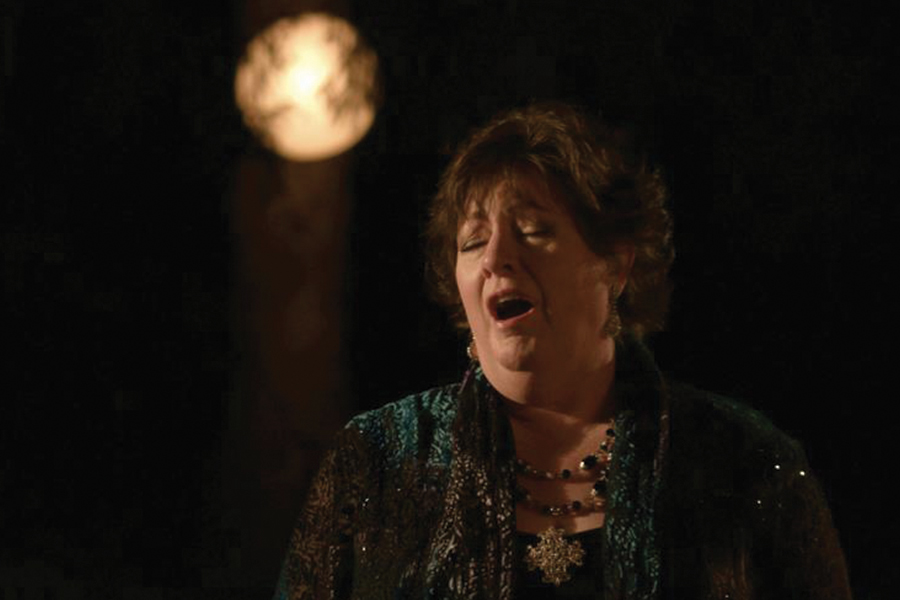
While in Indiana we shot a scene that borrowed heavily from the life of singer Marcia Whitehead who portrays Compline. It was brave of her to be willing to let us write it into the story. None of us—including her—were prepared for what would happen when that scene was shot. As she said afterward, she tapped into something unexpectedly deep and wide, and suddenly we were not shooting the scene of an epiphany as much as we were having one. The shockwaves hit Chris Min who was in the scene with her, Martina Nagel who was behind the camera, Stephan Hughes who was holding the boom mic just out of the shot, and one of our producers who had to wipe tears from his face with his forearms afterward.  Even the student processing the DIT later revealed that listening to her dialogue changed his life.

What might a 55+ year old opera singer have to say while simply washing her face that would bring so many disparate people to empathetic tears? What deep well did she tap into that would make a 20-something college student say “I felt you were telling my own story in there.” Martina said later, musing, “what happened in there is very very rare. It’s extraordinary, what happened. Extraordinary.” She gave up trying to define it. She didn’t have to. We all felt it.

This is an example of the reason we decided to expand the stories of the Hours to more than just the 5-7 minutes each that will fit into the narrative feature. Taking the time to tell the longer story of each Hour gives us a chance to linger a little while and be surprised. The surprise is how universal these things are turning out to be. That’s what we are after—telling our stories cleanly enough that they can bridge the often wide and treacherous gaps between people who mistakenly think they have nothing in common.

Not long after we shot that scene, I received a note from a theology and art student named Cynthia Glass, who has been following the PTH website:

To be honest, I don’t really know why I am writing this email . . . maybe just to tell you how deeply moved I am by the subject matter, to the point that I can’t visit the website for very long without being overwhelmed by the bittersweet tightness in my chest. . . . That the depth of life can be lived in a moment is a concept that has dogged me my whole life, but I’ve always brushed it aside for want of the ability to verbalize what it was that I felt. Now, the more I read about the development of your film . . . it’s so rare that I find a work of art that hits so squarely in the middle of my own lived experiences. There have been a few pieces of music, some literature and now this. Anyway, here I remain: in awe and bursting with hope at the thought of what this project could be.

These are humbling and yet rewarding sentiments: we hope to make something that extends beyond ourselves, that reaches someplace deep that we can share in recognition together.

To Sanctify the Day and All Human Activity

When sixth-century Benedictine monks stopped eight times a day to pray, their intention was to infuse menial work with the sacred by reminding themselves of the presence of God. They believed that being in the service of God can transform a temporal act into an eternal one, and the daily prayers were intended “to sanctify the day and all human activity.”

It’s a stretch for some to consider filmmaking a sacred calling, but there is little difference between plowing a field, making soup, cleaning laundry, and changing from a wide lens to a long one. The chores are not more or less sacred, but rather the purpose of the chore-doer. It is a deeply held belief in the Abrahamic traditions that all of life can be infused with the holy. Persian poet and mystic Rumi made the point succinctly: “The man pulling radishes pointed the way with a radish.” If pointing the way has eternal value, pulling radishes can be as sacred as preaching.

A production assistant on our recent shoot in Huntington, Indiana, was overheard to bemoan, “All I do all day is run back and forth.” The process of filmmaking is hardest, in some ways, on the P.A.’s: they have youthful dreams of being film directors but start out feeling like servants. Keeping a set running smoothly requires a cadre of willing and indefatigable facilitators to cook, drive, pick up, clean up, arrange, and rearrange an infinite number of details. Hardest among the chores, to quote Milton, is the patience to “only stand and wait.” The whole process can grind to a halt for something as small as a missing prop or a crew that needs coffee, so every activity in the communal process of making a film is equally important.

We are filled with gratitude for those who cared for us in Indiana: for the churches and dorms and university offices and individuals who fed us; for the students who drove us back and forth to the airport or who spent days running errands; for Huntington University that gave us sweatshirts so we might better survive the cold; for the families and friends who donated money so that we could pay for things that could not be donated or purchased at thrift stores; and for the community of people who prayed from afar and helped us carry an array of burdens.

Primarily we are grateful to HU Digital Media Director Lance Clark and our own producer Matt Webb who managed the myriad of elements necessary for us to capture Compline’s story on camera. Their generosity of spirit sanctified our days, and made our work on this segment of Praying the Hours a terrific experience—a fine example of Martin Luther King Jr’s challenge: “anyone can be great because anyone can serve.”

You Have No Events Scheduled Today

Yesterday and today my Google calendar informed me that I had no events scheduled, yet they were two very different days: the first so complicated it was impossible to record all that had to be done; and the second with a single chore—go home.

Last night around 11:00 p.m. we shot the “martini” (or final shot) of Compline for the Praying the Hours project. Fittingly, it was an image of the Compline character standing on the stage of her dreams. From the time we started arriving in Indiana four weeks ago until last night, all efforts to bring Compline to life are captured on our hard drives and shuttles.

For now, the most demanding stage of one of our stories is done. The material we’ve shot will enter the next stage of creation with senior editor Greg King to whom we are giving some beautiful imagery, performances, sounds, and experiences made by a very generous community of neighbors and students. We had our first experience of working together as a team within PTH, learned a lot, had a great time, and left fulfilled and exhausted. At around 2 a.m. this morning cinematographer Jordan McMahon said, “we’re gonna miss this in a few days.” And we will.

Independent filmmaking is like white-water rafting—you can spend months getting the right gear together and making meticulous plans only to jump into rapids that are outside your control. Two kinds of skills are required then, the ability to plan strategically and thoroughly, and the ability to roll with the elements. It’s rare to find both of those characteristics, but we saw it in abundance throughout the shoot. There were plenty of McGyver’d shots involving pyrex trays, china balls, pool lights, and jerry-rigged lenses and batteries for a camera so new that all the accessories
weren’t even available for basic functioning.

We had annoyances and heart-stopping misfortunes, things that irritated and things that threatened to shut us down—like a main actor delayed a week by bronchitis, a rented lens that drifted out of focus and ruined days of principal footage, sick crew members, broken heater systems, and most of all, wildly shifting weather. From 50 degrees down to 10, we had rain, sleet, snow, and sun. Beautiful vistas that are great for tourists but nightmares for film continuity.  Still, even those situations were redeemed beyond anything we might have imagined: lost footage was reshot with stronger rewrites, a week’s delay of shooting meant more time to adjust to the learning quirks of new equipment, shooting all eventualities of weather meant terrific production value, and our needs activated an amazing generosity and hospitality in the community.

We leapt into the rapids, threw our urgent requests toward heaven (with the help of a great many of our friends and family), and then our untamed God did his own thing. That’s unnerving if you have plans that require you to maintain control, but for those who worship a God who is bigger than they are, the result can be something transcendent beyond anyone to control or even explain. Which is probably why, even now, the story team is writing and the production team planning the next and the next and the next.

Up In A Balloon!

(by Tamara Johnston McMahon)


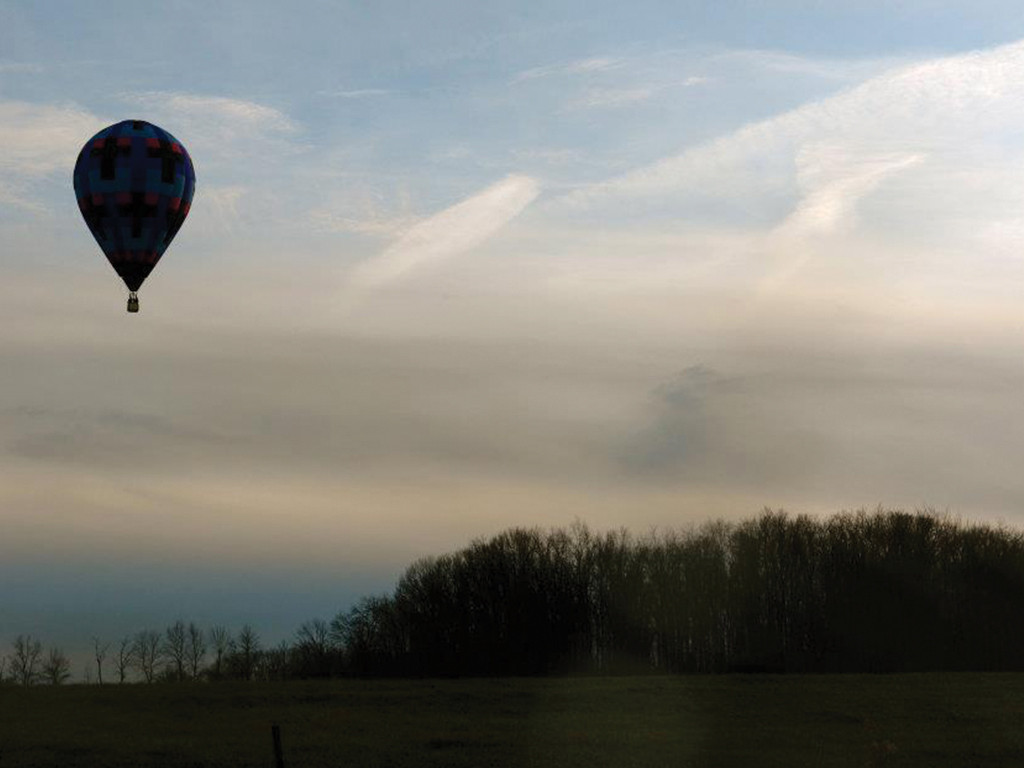
Jordan McMahon, cinematographer (and my husband) extraordinaire, had the privilege of going up in a hot air balloon for aerial footage of Huntington, Indiana the other day! It was his first time up and, with the Scarlet-X in hand, of course he was beyond willing. A tight squeeze, Dream Catcher Balloon Team’s Chris Smart took Jordan several hundred feet up in a basket barely big enough for two, plus tripod and camera. Black helium balloons were released to test wind direction and speed before finally setting off around 4 o’clock, just in time to establish Huntington University and other key locations during Vespers (magic) hour.

After seeing Jordan off, my friend and colleague, Lori Fox (Wardrobe & Set Design) and I drove around in the Picture car (Compline‘s), doubling as balloon chasers and, more importantly, subjects to be filmed. Uncertain of what to do first, we did what seemed reasonable given Jordan was having all the fun — we stopped at the local Dairy Queen for a cone (which neither of us had had since high school and that was not a few years ago!). Proud of our detour (which we later discovered Jordan was 100% witness to), Lori phoned Dream Catcher who in turn radioed Chris to sync our coordinates. We repeated this process a few times and, by Jove, I think we finally got it!

At landing, Chris and his team of balloon experts circled around and gave Jordan the balloon landing blessing, a tradition that dates back to when celebrating a good landing meant walking away from it. More than merely walking away, an afternoon passed that at least three of us will never forget and, at the very least, it is quite possibly the first balloon ride the Scarlet-X has ever taken. And it was on Praying The Hours.

Dream Catcher Balloon Team (260/224-0251)

The winds have welcomed you with softness. The sun has blessed you with its warm hands. You’ve flown so high and so well that God has joined you in your laughter and set you back into the loving arms of Mother Earth.


Telling a Story Everyone Already Knows

We are created in such a way that we cannot see our own faces, but require others to let us know how we look—what expressions we are telegraphing or whether or not we have spinach in our teeth. This is a hint to me that we were made to live in community.

It’s not surprising that the way we communicate is by telling our stories to each other. I think that’s the way we create ourselves, so to speak, or shape what has already been created.  We tell stories to each other of our own lives, often to remind ourselves of what is right in front of us.

Our hope with the Praying the Hours project is to give a glimpse into characteristics of time with which we are so familiar that we have ceased to be able to see them. The Greeks had two names for time: kairos and chronos. Chronos is clock time—time that is laid out in rows and calculated like money—its value is determined in increments. A minute can be wasted without regret while a lifetime cannot. This is the kind of calculation of time that makes it possible for us to be precise about class schedules and paid working hours. The Greeks named a god after this time, a god who devoured his children.

Kairos, however, is more mysterious, less controllable, more exciting. The Hours of kairos are marked by the sun and the moon, the seasons and the cosmos. Each increment of kairos, no matter how small, contains all that is Ultimate, all that has eternal value. To speak of kairos is not to talk about a moment or a lifetime but something more like a happening. A song or a potent emotion can crack the surface of chronos and plunge us into kairos. You can spend a lifetime there, like the Pevensie children in Narnia, and return without a second of chronos having passed. Kairos time has a different character than chronos, naturally—kairos means “grace.”

When I first became aware of the distinctions between “kairos” and “chronos” time, I felt, as Eliot put it in Four Quartets, that the end of all my exploring was to arrive where I started and “know the place for the first time.” It was then that I thought we might be able to embody the hours into characters and tell a story of chronos and grace that would be immediately familiar to people. Our challenge as filmmakers is to remember that we are telling not just the story of characters but of the Hours themselves. And so far, the place we have most often discovered the path into kairos is through the human face.

Unforgettable Characters in Seven Minutes or Less

In a recent interview for the Los Angeles Times, Steven Spielberg described the challenges he faced with The War Horse, a film that stitches together a series of strangers by their mutual love for the same horse. It’s a big structural risk: it might easily become a series of disconnected vignettes. Given he had approximately seven minutes each, “making the characters unforgettable was the challenge,” he says.  I was intrigued by his comments, as the Praying the Hours feature faces a similar challenge.

As I sat on a cramped plane to Ft. Wayne, Indiana, prepping for a project with roughly the bagel budget of a Spielberg film, films using similar structures sprang to mind including  The Red Violin, The Yellow Rolls Royce, and even Crash. Crafting story is the great equalizer: when it comes to creating a screenplay that works, Spielberg’s writers boot up their laptops the same way we do. Our writing team includes some of the best talent I know—Kiri Zooper Hart (producer of story development), Martina Nagel, Jonathan Foster, Matthew Webb, and Tamara Johnston McMahon—yet worrying over this challenge has taken quite a bit of our focus.

The key to unforgettable characters is authenticity, in what my friend Bobette Buster calls “the gleaming details” of life that everyone senses to be true. Every story’s challenge is to create characters that are genuine, we just have to do it quickly. We have to keep the audience interested while we describe the character of the Hour convincingly, interestingly, and above all, in vivid familiarity.

In the two-hour feature that will comprise the core of the Praying the Hours project, Traveling Man will have about seven minutes to visit with each of the eight characters embodying the Hours. The descriptions of the characters give a hint at how we have worked to be both universal and specific:

  • Vigils, the Doubting Believer
  • Lauds, the Childless Woman
  • Prime, the Rushing Man
  • Terce, the Single Mother
  • Sext, the Recovering Stranger
  • None, the Mournful Songwriter
  • Vespers, the Grieving Fiancé
  • Compline, the Reluctant Teacher

Once we started casting, our characters began to come to life, and they will be the living, breathing incarnation of our stories. Now that we are entering production, we will see if what we’ve been able to articulate on paper can come to real life on camera. Or, to put it in language appropriate to the season of Christmastide, if the word can become flesh.

- Lauralee

The Barn Burned Down

This brief verse by Masahide is a favorite of mine:

The barn burned down
Now I can see the moon.

Fasting is a big part of my spiritual life. It can take endless forms and have as many different purposes: fasts can be short and intense or long eras of spiritual discipline or seasonal (e.g. lent). They can affect food, actions, attitudes, creativity or sometimes all aspects of life. Fasts are sometimes about giving up and sometimes about taking on. Most are reminders to look up from life and remember God’s presence.

The fast I am in now is called, for short, the barn/moon fast. I felt the urge to this fast after a conversation with my lifelong friend Dianna Boone, who prays fervently for PTH against every nuisance she can imagine—from health-related, to equipment, to travel, to household, to finance.

Oddly, the opposite seems to have happened: the last four weeks have been a relentless series of inconveniences—from dead car batteries to randomly canceled bank accounts, checks returned by mistake, weird illnesses, jury duty, insurance woes, computer failures, hurricane-force wind storms, and so on. Nuisances have not abated; however, their consequences have often been miraculously redeemed. That’s why Masahide’s poem sprang to mind. I think it describes elegantly what artists are supposed to do: one foot in suffering, the other in epiphany.

To do this honestly, we must acknowledge nuisance, heartbreak, or sorrow for what they are. There’s nothing more onerous than someone who leaps over your inconvenience (or suffering) to force a silver lining because of their discomfort.

It’s equally as important to stay open for redemption that cannot be anticipated. When my car battery died on the way to work, I stopped at A&A Tire where the owner, Sarkis, shared moving memories about Christmas that surprisingly brought both of us to tears. Barn: $115. Moon: a hug from Sarkis and wishes for happy holy-days. He also pointed out, had I left the car for the month I am in Indiana on the old battery, it wouldn’t have started when I return. So—nuisance or blessing? Both.

The barn/moon language has become part of a shorthand on our producing team since we started this fast (I’ve been joined). I’ll get a warning text: “barn burning!” And sometimes later: “I can see the moon!” One of the unexpected by-products is a strange calm that pervades even the most threatening of our circumstances. Several have expressed in the face of daunting challenges that they feel a peace that is otherwise inexplicable. Perhaps that is the epiphany of the barn/moon fast.

Think what kind of risk-taking we can do in our work when that is at the core of our daily lives. When we are unafraid of what might threaten to derail us, and confident—even excited!—to see how God might show up.

It’s Christmastide, leading to the season of epiphany. The ancients believed that the veil between the two worlds of earth and heaven was more permeable during this season, and God’s presence more visible. If that’s true here in Indiana, we plan to shoot it.

- Lauralee

Ft Wayne actress Larissa Clark has been

Ft Wayne actress Larissa Clark has been cast in a supporting role as the “eager young voice student” in Praying The Hours. http://ow.ly/i/oAFD

Lighting by the Moon

Last year, when Tamara, Jordan and I were location scouting in Indiana, Huntington-born producer Matt Webb took us to the St. Felix Friary. A beautiful monastery that had fallen mostly into disuse (now refurbished), it still retained the bones of its former glory. We looked out on a field white with snow under a full moon that was bright enough to shoot by.  We were transfixed.

The lighting scheme for the Praying the Hours project has one primary and nearly impossible goal: natural light. This is less of a challenge during the day than it is at night, of course, so we have conversations about artificial back ups, just in case the dream plan doesn’t pan out. Nevertheless, we have referred to that experience so many times that it has been the standard on which we have based our dreamiest hopes. Will this camera capture natural light at night? Is that lens fast enough? Our final and most important scen

e takes place in a cemetery: which one would best accommodate being lit by the light of the moon, with snow?

A week or so ago, the night Lance and Mary Clark picked me up at the airport, Lance asked if I’d like to go by the cemetery. We were not actually sure when we arrived. “I think this is it,” he said, squinting out the window. We had to pull up, park, and look around to be sure we were actually seeing headstones because it was so dark. We just stared into the black. Our idea never seemed so naïve.

Nevertheless. We are scheduled to shoot in the cemetery at Compline hour on the 9th of January by the full moon. We are praying for a clear night and for snow on the ground to act as a huge reflector. In the meantime, we’re like farmers checking the almanac for all our shoot days. Will the lake freeze before we are scheduled to shoot “Compline looks out the window on a frozen lake”? Will there be snow on the ground and a clear sky for the full moon when “Compline sings by the light of the moon”? Will any of the Compline Hour shots we have planned outside even be possible?

Strangely enough, courage comes in the form of a humbling number of people who have emailed, facebooked, or texted to say they, too, are praying for a clear sky, a full moon, and snow on the ground outside Huntington, Indiana, on the 9th of January. Our loud chorus won’t guarantee that it will be so: God is not our gaffer. He’s our God.  But he does love boldness. And we love joining together in a boldly hopeful idea.

We make our plans, we control what we can, and then we wait on God. In the long run, it won’t matter the outcome—we’ll get what we need. What will matter is that we believed together in our expectation that God will be found, and since it is God’s intention to be found, the plan doesn’t seem so naïve anymore.

’tis love that’s born tonight

Christmas, 2011

Oh the joys of preproduction. Last week our world was rocked: our bank cancelled our accounts for random reasons even they cannot explain; insurance rates skyrocketed; our lead actor, Marcia Whitehead, has been struck with a vicious case of bronchitis and we have no idea when she will be able to come; camera equipment that was supposed to arrive on Nov 17 came just recently and the supposed Dec 1 shipment now seems like a far-away dream; the workflow of our new, magical equipment is a brain-burning challenge, and equipment that was supposed to work together, doesn’t. Oh, and it’s unseasonably warm. Great. We’re here for the snow.

It might seem in adequate against the threat of no money, no equipment, no snow, and no actor to say that we’ve been blessed by hospitable hosts at Huntington University. But sometimes kindness has a mysteriously powerful effect. HU has graciously given us use of 3 apartments and an empty house that is close enough to Becker Hall that J-term students can walk to the production office. We hope it will become a place for everyone to hang out after shoots. It will certainly get used—five of our team will live there, our production office and DIT will be there, and we will shoot it as one of the production locations. Julie, in the housing office, has gone beyond the pale to help us and though the furnishings we are scrounging aren’t going to get us in Architectural Digest, it’s definitely independent filmmaker chic.

I went to dinner last night at Janet Clark’s (head of the digital media department Lance Clark’s mother) and came home with enough food to sink a ship and enough stories on Lance to blackmail him for anything else we need (which would be useful if he wasn’t already giving us everything he’s got).  Producers Matt Webb and Ron Allchin are preparing for their own trek out here and managing things from afar. Abe Martinez, Martina Nagel, and Jordan McMahon have been working to prep cameras and shooting philosophy, Michael Cioni has put the power of Light Iron at our disposal, actors Chris Min and Marcia Whitehead are diving into their characters, Rob Bethke is managing websites and press, an army of people are praying up a storm, and a few student  interns are even coming back early from Christmas break!

James Taylor, in his terrific holiday album At Christmas, is singing from my MacBook Pro’s inadequate speakers the last verse of “Some Children See Him”:

Oh lay aside each earthly thing
And with thy heart as offering
Come worship now the infant King
‘tis love that’s born tonight…
’tis love that’s born tonight.

Today, Christmas Day, three filmmakers—Lori Fox, Tamara Johnston McMahon and Jordan McMahon—will arrive at FWA and then “home” to a $5 tree with a $1 star on the top, stockings hung by the couch with care and a feast worthy of the artists they are. Every production has challenges. Not every production has love. I hope you are as rich as we are this Christmas.

En Route to Indiana

I am ecstatic that principal photography starts mere days from now! For months the producing team has been working diligently on every detail imaginable in order to make this happen; everything from equipment (the Scarlet camera that played so hard to get!), the budget (where’s it coming from!) the actors (who do we know!), the locations (where do you live!)…all while striving to stay true to the ethos of Praying The Hours — aka don’t get too caught up in the small stuff. It’s been a blast, it’s been a trial and we’ve been blessed with a stellar crew (selfishly speaking, they work tirelessly and don’t have an “off” button, but essentially speaking, they love this project!). Jordan (my husband) and I leave for Huntington, Indiana early Christmas morning to meet up with Lauralee Farrer, Marcia Whitehead, Lori Fox and Lance Clark (others to join shortly thereafter) to actually start what we’ve always meant to finish. In addition to helping the other producers I’ll also manage continuity as Script Supervisor, a challenge I truly enjoy.

Alongside Lauralee, this is the second time I’ve started this project. Seeing past all those pained, costly and seemingly failed attempts at such a worthwhile project, I now see why Praying The Hours was meant for such a time as this. Had we succeeded in making the project all those years ago, PTH would not have been given due justice. Now, this project knows what it means to be. I only hope I can keep up…


Tamara Johnston McMahon

The beginning of production

Since I started writing the script for Praying the Hours nearly a decade ago, it has been a long and emotional ride to January 2012. During that journey, loved ones have been born and loved ones have died—including Matthew Diederich, whose last words to me were, “when are we going to make Praying the Hours?” Shortly after that conversation Matthew was killed, and the heart of our current feature script is based on our imagination of his journey from this life into eternity.

Many still and moving frames have been shot in attempts to embody time and prayer into characters. Untold time has been spent in design and camera planning; and words, words and more words have been written and passionately spoken and prayed. Countless hours pursuing production financing have been invested by producers who never lost their passion for the story, but weren’t able to secure the funds and filmmakers who started the journey with us but are unable to continue.

Now—at our own risks—the current team moves forward with faith in the project’s value and our determination to bring it to fruition with or without financing. As our friend Dottie Davison says, we are counting on a “budget of God’s love” to carry us to the mysterious end.

In January, we will have two Red® Scarlet™ cameras and a fantastic team of filmmaker-friends who will travel to Huntington, Indiana, under the supervision of segment producers Matt Webb and Lance Clark, where we will complete the first of ten shoots, and launch on the long road to capturing this ambitious project for the screen.

As of the end of 2011, our leads are cast, our cameras purchased, interns being gathered, our production team organized, and our stories in development. We push forward knowing that nothing gets achieved without momentum, and also knowing that we are throwing ourselves into a fray that we have all, in one way or another, felt called to engage. We have made our plans—now we see what epiphanies will happen along the way.

Thank you for your interest and your company,

Lauralee Farrer

Director, Praying the Hours

19 Days until the Praying The Hours film

19 Days until the Praying The Hours film project begins principal photography in Huntington, Indiana! Follow the blog: prayingthehours.com

Regarding our funding…

“Be calm and orderly in your life so that you may be violent and original in your work.” –Gustav Flaubert

Independent films like the Praying the Hours project are often made on a wing and a prayer, as the saying goes, but every production of this size needs a budget and a schedule to move forward responsibly. That’s how to create calm and order in the world of pre-production so that all the “drama” (story and otherwise) ends up on screen.

We’ve created these pages because, in the words of our friend Keri Babbes, “how will we know what you need if you don’t tell us?”

We have spent a good deal of time strategizing equipment, schedule, budgets and financing. We can use help at nearly every level: money, talent, prayer, and sage advice. When we say we need $120K, it’s likely that those are up-front hard costs that we can’t finagle around. Suffice it to say that those of us at the center of this are risking all we have to risk, continuing to move forward in faith, and trusting in the mystery to create its own momentum. To paraphrase Tevye from Fiddler on the Roof: “this is true [we need the money to move forward], and this is true [we are moving forward no matter what], and they can’t both be true. And that is also true!”

There are hard costs (e.g. equipment, airline tickets, insurance) and negotiable costs (e.g. remuneration, travel amenities, food), but everything needs to be done whether it’s paid for or not. What seems to separate the takers from the givers is in the details—are people treated respectfully? Is the work valued and given our all? Is the work worth doing? Independents are used to working for little or deferred pay, but that can’t compromise what ends up on the screen or we’ve all wasted our time. It’s also true that life is short, and we ought to expect to value the communities in which we are privileged to work, and to nurture long-lasting relationships.

That’s what we are after: to love each other and the work so that it communicates love to the audience when it finally reaches them. That is our grander goal, otherwise, a film is just a film.

Thank you for your support!

- Lauralee and the producing team

The cast of Praying The Hours

The hour called VESPERS (played by Beth Castle)

The hour called SEXT (played by David Frere)

Huge thanks from the PTH producing team

Huge thanks from the PTH producing team to Dave Deroos, Stephen Childs, Robert Cruickshank, Ann LaVigna, and Karen Black for contributing!

We are 20% toward our goal of $120,000 t

We are 20% toward our goal of $120,000 to begin production in January. Consider ways in which you can help us reach this by December 31st!

Lauralee and all of us offer huge thanks

Lauralee and all of us offer huge thanks to Staci Armao for her donation to Praying the Hours! http://ow.ly/i/lkZT

Tony Hale thanks to Samuel Ward

Tony Hale thanks to Samuel Ward for being the FIRST donor to the Praying The Hours project! #PTHthankyou http://ow.ly/i/lem4
The hours called LAUDS (played by Karla Droege)
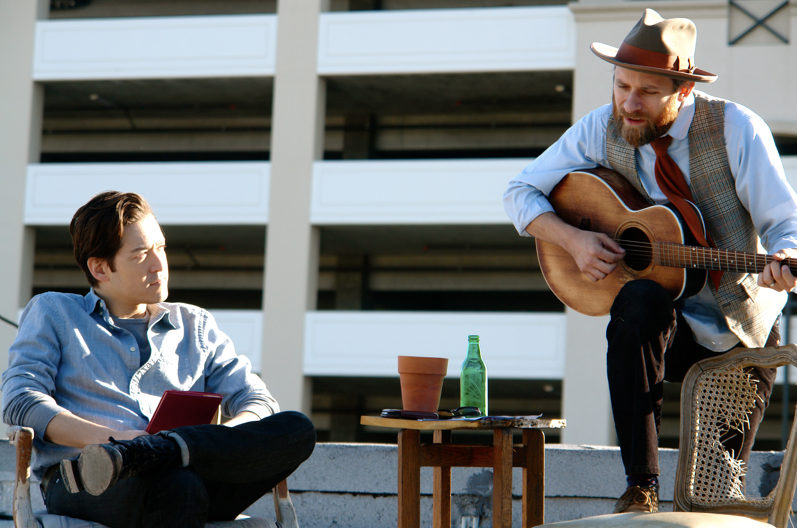
The hour called NONE (played by Aaron Ballard)

The hour called PRIME (played by Tony Hale)


Traveling Man (played by Chris Min)